 Admin
AdminTable of Contents
ToggleHow to Get a Job Offer from an Irish Employer as a Non-EU Citizen
1. Introduction
Ireland has become one of Europe’s most attractive destinations for skilled professionals seeking international career opportunities. How to Get a Job Offer from an Irish Employer as a Non-EU Citizen, With a strong economy, a thriving technology sector, world-renowned pharmaceutical and healthcare industries, and the European headquarters of many multinational companies, the country continues to attract talent from across the globe. For non-EU citizens, securing employment in Ireland can open the door to competitive salaries, valuable international work experience, career progression, and, in some cases, a pathway toward long-term residence. However, obtaining a job offer from an Irish employer requires more than simply submitting applications—it involves understanding Ireland’s recruitment process, employment permit system, and what employers expect from international candidates.
Competition for jobs in Ireland has increased significantly in recent years as employers receive applications from both local and international candidates. While many companies are willing to hire skilled professionals from outside the European Union, they generally prefer applicants who demonstrate relevant experience, possess in-demand skills, and understand Ireland’s hiring standards. Non-EU applicants who tailor their CVs, prepare thoroughly for interviews, and target employers with a history of sponsoring foreign workers often stand a much better chance of receiving an offer than those who rely on generic applications.
This guide explains how to get a job offer from an Irish employer as a non-EU citizen, from identifying eligible opportunities and preparing application documents to networking effectively and navigating the employment permit process. Whether you are a software engineer, healthcare worker, construction professional, finance specialist, or recent graduate with sought-after skills, the strategies outlined below will help you position yourself as a competitive candidate and improve your chances of landing a job in Ireland. Unskilled Jobs in the UK with Sponsorship for Foreigners
2. Why Irish Employers Hire Non-EU Citizens
Ireland’s demand for international workers has grown steadily over the past decade. As the country’s economy expands and businesses continue to innovate, employers increasingly look beyond Europe to recruit professionals with the skills and experience needed to fill critical workforce gaps.
Understanding why Irish employers recruit non-EU workers can help you tailor your applications and identify industries where your qualifications are most likely to be valued.
Ireland’s Strong and Resilient Economy
Ireland consistently ranks among Europe’s strongest economies. It has become a major hub for technology, pharmaceuticals, financial services, medical devices, engineering, and life sciences.
Global companies continue expanding their Irish operations because of the country’s business-friendly environment, highly educated workforce, and strategic access to European markets. As businesses grow, so does the need for qualified professionals.
When employers cannot find enough suitable candidates locally or within the European Economic Area (EEA), they often recruit internationally.
Labour Shortages Create Opportunities
Several industries in Ireland regularly experience skill shortages.

Some of the sectors with strong demand include:
- Information Technology
- Healthcare
- Nursing
- Construction
- Engineering
- Pharmaceutical Manufacturing
- Finance
- Accounting
- Cybersecurity
- Data Analytics
- Hospitality
- Logistics
- Skilled Trades
When vacancies remain difficult to fill, employers may sponsor qualified candidates from outside the EU through Ireland’s employment permit system.
This creates excellent opportunities for experienced professionals who meet the required qualifications.
Multinational Companies Recruit Globally
Ireland is home to the European headquarters of many multinational corporations.
These companies often operate globally and maintain international recruitment strategies.
Many already employ workers from dozens of different nationalities and are familiar with sponsoring qualified candidates when necessary.
International applicants with specialized skills, multilingual abilities, or experience in global organizations can become attractive hires because they bring valuable perspectives and technical expertise.
Specialized Skills Are in High Demand
Irish employers are not simply looking for workers—they are looking for problem solvers.
Candidates with expertise in areas such as:
- Artificial Intelligence
- Cloud Computing
- Software Development
- Cybersecurity
- Data Science
- Mechanical Engineering
- Electrical Engineering
- Medical Technology
- Pharmaceutical Research
- Financial Compliance
often receive greater attention because these skills remain difficult to source locally.
The more specialized your experience, the more likely an employer will consider sponsoring your employment.
Ireland Faces an Aging Workforce
Like many developed countries, Ireland is experiencing demographic changes.
An aging population increases demand for healthcare professionals, caregivers, pharmacists, medical laboratory scientists, physiotherapists, and other healthcare workers.
At the same time, retirements create vacancies across several industries, increasing recruitment opportunities for qualified international professionals.
Irish Employers Value International Experience
Many companies appreciate candidates who have worked across different countries, industries, and cultures.
International professionals often contribute:
- Diverse perspectives
- Cross-cultural communication skills
- Foreign language abilities
- Adaptability
- International business knowledge
- Experience working with global clients
These qualities are especially valuable for companies serving international markets.
Employment Permits Make International Hiring Possible
Ireland has established employment permit programs that allow employers to legally recruit qualified non-EU professionals when local recruitment cannot meet workforce needs.
For employers, these permits provide access to global talent while ensuring compliance with Irish immigration and employment regulations.
Understanding these permits helps applicants focus on positions where sponsorship is realistically available. How to Apply for Healthcare Jobs in the UK from Abroad
3. How to Get a Job Offer from an Irish Employer as a Non-EU Citizen
Receiving a job offer from an Irish employer requires careful planning, persistence, and a strategic approach. While qualifications and experience matter, employers also look for applicants who understand the Irish recruitment process and present themselves professionally.
The following steps can significantly improve your chances of securing employment.
Understand Ireland’s Employment Permit System
Before applying for jobs, familiarize yourself with Ireland’s employment permit framework.
Most non-EU citizens require an employment permit before they can legally work in Ireland.
Some of the most common permits include:
- Critical Skills Employment Permit
- General Employment Permit
- Intra-Company Transfer Employment Permit
- Contract for Services Employment Permit
- Sport and Cultural Employment Permit
Each permit has its own eligibility requirements relating to salary thresholds, occupation type, employer responsibilities, and applicant qualifications.
Understanding which permit applies to your profession allows you to focus your job search more effectively.
Identify Occupations That Welcome Non-EU Applicants
Rather than applying randomly, prioritize occupations where employers actively recruit international workers.
Many Irish employers regularly hire professionals in shortage occupations because they struggle to recruit enough qualified local candidates.
Research industries experiencing sustained demand and identify positions that align with your education, certifications, and work experience.
Focusing on sectors with labour shortages significantly improves your likelihood of receiving interview invitations.
Research Irish Employers That Hire International Workers
Not every employer sponsors non-EU applicants.
Concentrate your efforts on companies that:
- Have international recruitment programs
- Employ multinational workforces
- Have previously sponsored employment permits
- Operate in industries facing talent shortages
- Regularly advertise positions open to overseas applicants
Learning about each employer also allows you to customize your application and demonstrate genuine interest during interviews.
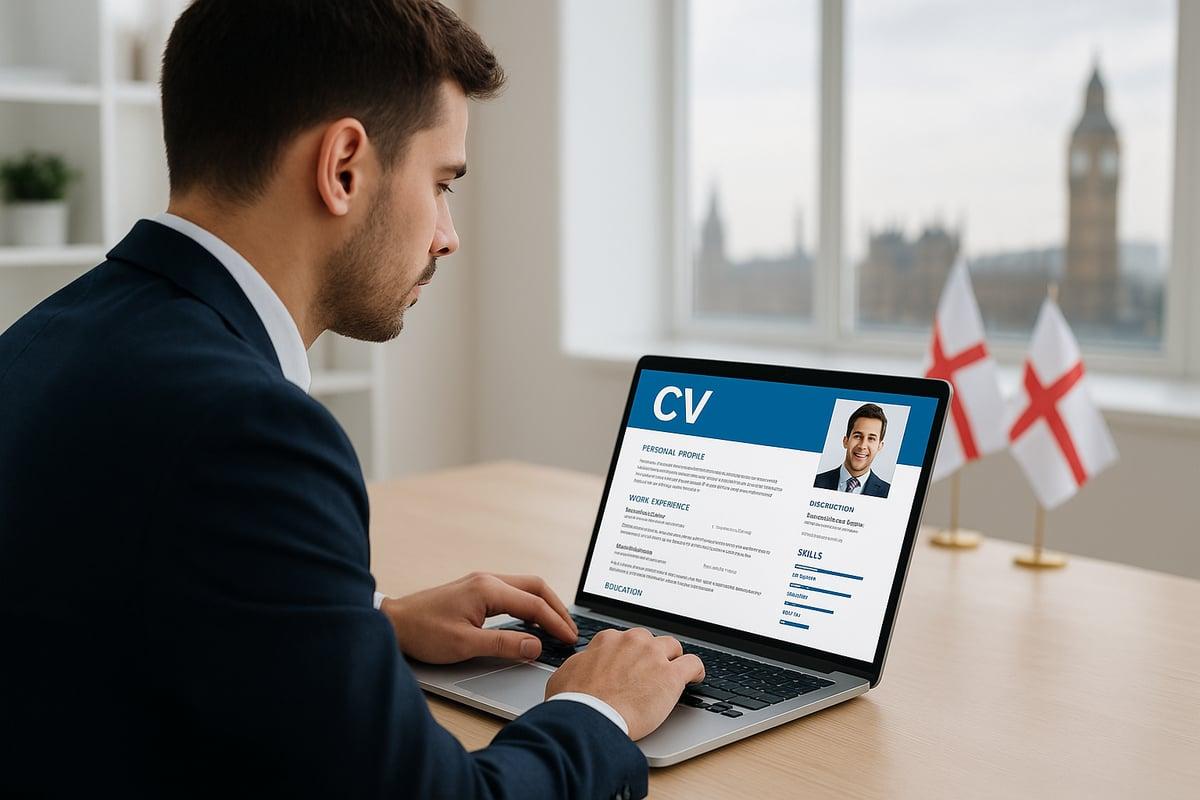
Create an Irish-Standard CV
Your CV is often your first opportunity to impress a recruiter.

Irish employers generally prefer CVs that are:
- Clear and easy to read
- Two pages where possible
- Achievement-focused
- Free from spelling or grammar mistakes
- Tailored to each position
Instead of simply listing duties, demonstrate measurable accomplishments.
For example:
Instead of writing:
“Responsible for managing projects.”
Write:
“Managed projects worth €2 million while reducing delivery time by 18%.”
Recruiters are far more interested in results than responsibilities.
Write a Tailored Cover Letter
A generic cover letter rarely stands out.
Instead, explain:
- Why you want to work for that specific employer.
- How your experience matches the advertised role.
- Why your skills would benefit the company.
- Your willingness to relocate.
- Your understanding of Ireland’s employment permit requirements where appropriate.
Keep your cover letter concise while clearly demonstrating enthusiasm and professionalism.
Optimize Your LinkedIn Profile for Irish Recruiters
Many Irish recruiters actively search LinkedIn before advertising vacancies.
An optimized LinkedIn profile should include:
- A professional photo
- A compelling headline
- A detailed summary
- Updated work experience
- Relevant certifications
- Technical skills
- Industry keywords
- Recommendations from colleagues or supervisors
Set your profile to indicate that you are open to international opportunities.
Recruiters are much more likely to contact candidates whose profiles clearly showcase their expertise. Registered Nurse in Spain with Sponsorship for Foreigners
Search on Trusted Irish Job Websites
Use reputable job platforms that regularly advertise opportunities from employers across Ireland.
Search using keywords related to your profession and location.
Activate job alerts so that you receive notifications when suitable vacancies are posted.
Apply promptly, as many employers begin reviewing applications shortly after advertising roles.
Tailor Every Job Application
One of the biggest mistakes applicants make is sending identical applications to dozens of employers.
Instead, customize every application by:
- Matching your experience to the job description.
- Using relevant keywords.
- Highlighting achievements related to the position.
- Demonstrating your understanding of the employer’s business.
Tailored applications consistently outperform generic submissions because they show genuine interest and attention to detail.
Develop In-Demand Skills Before Applying
Employers are more likely to sponsor candidates who possess skills that are difficult to find.
Consider strengthening your profile by obtaining certifications, improving technical knowledge, or gaining experience in areas that are currently in demand.
Examples include:
- Cloud computing certifications
- Cybersecurity qualifications
- Project management credentials
- Professional accounting certifications
- Healthcare registrations
- Data analytics training
Continuous professional development demonstrates commitment to your career and increases your competitiveness.
Build a Professional Network
Networking remains one of the most effective ways to discover job opportunities.
Connect with:
- Irish recruiters
- Industry professionals
- Hiring managers
- Alumni working in Ireland
- Professional associations
- Online career communities
Meaningful networking often leads to referrals, and referred candidates frequently receive greater consideration during recruitment.
Prepare Thoroughly for Interviews
If you receive an interview invitation, preparation becomes essential.
Research:
- The company’s products or services
- Corporate values
- Recent business developments
- Industry challenges
- The responsibilities of the role
Practice answering common interview questions using examples from your previous work experience.
Employers appreciate candidates who demonstrate confidence, professionalism, and a genuine understanding of their business.
Show Employers the Value You Bring
Irish employers are investing significant time and resources when hiring internationally.
Convince them that you are worth that investment.
Highlight:
- Technical expertise
- Leadership experience
- Communication skills
- Problem-solving ability
- Adaptability
- International experience
- Measurable achievements
Whenever possible, support your claims with numbers and real examples.
Evidence-based accomplishments are much more persuasive than vague statements.
Be Transparent About Your Work Authorization Status
Employers appreciate honesty.
Clearly state your nationality and your current work authorization status when appropriate.
If you require an employment permit, communicate this professionally without making it the focus of your application.
Recruiters value candidates who understand the hiring process and explain their situation clearly.
Remain Persistent Throughout Your Job Search
Finding employment in another country rarely happens overnight.
You may need to submit numerous high-quality applications before securing interviews.
Track your applications, learn from feedback, improve your documents, and continue building your skills.
Persistence, combined with a targeted strategy, often produces far better results than sending hundreds of generic applications.
4. Pros and Cons of Getting a Job Offer from an Irish Employer as a Non-EU Citizen
Relocating to Ireland for work can be a life-changing opportunity, but like any international career move, it comes with both advantages and challenges. Understanding these realities will help you make informed decisions and prepare effectively for the transition.
Pros of Getting a Job Offer from an Irish Employer as a Non-EU Citizen
Access to High-Quality Career Opportunities
Ireland is home to a diverse economy with opportunities in technology, healthcare, engineering, finance, pharmaceuticals, construction, and other high-growth sectors. Securing a job offer can provide access to roles with strong career progression and international exposure.
Competitive Salaries and Employee Benefits
Many Irish employers offer competitive compensation packages, particularly for skilled professionals. Depending on the employer and industry, benefits may include pension contributions, paid annual leave, health insurance, professional development opportunities, flexible working arrangements, and performance bonuses.
International Work Experience
Working in Ireland allows you to gain valuable experience in a globally respected labor market. This can strengthen your CV and improve future career prospects, whether you choose to remain in Ireland or pursue opportunities elsewhere.
Potential Pathway to Long-Term Residence
Certain employment permits, particularly those issued for highly skilled occupations, may provide opportunities to apply for long-term residency after meeting the relevant legal requirements. This makes Ireland an attractive destination for professionals seeking long-term stability.
Opportunity to Work in a Multicultural Environment
Ireland’s workforce is increasingly international, especially in major cities. Working alongside colleagues from different countries helps build cultural awareness, expand professional networks, and develop valuable communication skills. Luxembourg Visa Sponsorship Jobs in Banking 2026
Cons of Getting a Job Offer from an Irish Employer as a Non-EU Citizen
Strong Competition for Sponsored Roles
Many employers receive applications from candidates across Ireland, the European Union, and other parts of the world. Standing out requires relevant experience, a tailored application, and strong interview performance.
Employment Permit Requirements
Most non-EU citizens need an employment permit before they can legally work in Ireland. The application process involves eligibility criteria, documentation, and employer participation, which can extend the overall hiring timeline.
Relocation and Initial Settlement Costs
Moving to Ireland often involves expenses such as visa or permit fees, flights, temporary accommodation, rental deposits, transportation, and the purchase of essential household items. Planning a realistic budget before relocating is important.
High Cost of Living in Some Areas
Cities such as Dublin can have relatively high housing and living costs compared to other regions. Job seekers should research salaries alongside local living expenses to ensure the position offers a sustainable standard of living.
Adjustment to a New Culture and Workplace
Relocating to a new country involves adapting to different workplace expectations, communication styles, and social norms. While many international professionals adjust successfully, the transition can take time and requires flexibility and resilience.
5. Common Mistakes to Avoid When Trying to Get a Job Offer
Even highly qualified professionals can struggle to secure employment in Ireland if they make avoidable mistakes during their job search. Understanding these common pitfalls—and knowing how to avoid them—can significantly improve your chances of receiving an interview invitation and, ultimately, a job offer.
Applying for Jobs Without Understanding Employment Permit Eligibility
One of the biggest mistakes non-EU applicants make is applying for every vacancy they find without first checking whether the role is suitable for employment permit sponsorship.
Not all occupations qualify for an employment permit, and some employers may only recruit candidates who already have permission to work in Ireland.

Before applying, research:
- Whether the occupation is eligible for an employment permit.
- The salary requirements for the relevant permit.
- Whether the employer is likely to hire international candidates.
Targeting suitable positions saves time and improves your success rate.
Sending the Same CV to Every Employer
Many job seekers submit identical CVs to dozens of employers.
Irish recruiters can quickly recognize generic applications.
Instead, tailor every CV by:
- Matching your experience to the job description.
- Including keywords from the vacancy.
- Highlighting achievements relevant to the position.
- Demonstrating measurable results.
Customized applications consistently perform better than mass submissions.
Writing Weak or Generic Cover Letters
A cover letter should explain why you are the right fit for the role—not repeat your CV.
Avoid opening with generic statements such as:
“I am writing to apply for this position.”
Instead:
- Mention why you want to work for that company.
- Explain how your skills solve the employer’s needs.
- Demonstrate knowledge of the organization.
- Show enthusiasm for relocating to Ireland if required.
A personalized cover letter leaves a stronger impression.
Ignoring LinkedIn
Many hiring managers review LinkedIn profiles before deciding whether to interview a candidate.
An incomplete or outdated profile can reduce your credibility.
Ensure your LinkedIn profile includes:
- A professional photograph.
- A strong headline.
- A detailed summary.
- Updated employment history.
- Relevant certifications.
- Technical and soft skills.
- Professional recommendations.
Keeping your profile current increases your visibility to Irish recruiters.
Applying Without Researching the Employer
Employers appreciate candidates who understand their business.
Before applying or attending an interview, research:
- The company’s products or services.
- Industry position.
- Company values.
- Recent achievements.
- Business goals.
This preparation helps you answer interview questions with confidence and demonstrate genuine interest.
Failing to Prepare for Interviews
Some applicants assume their qualifications alone will secure the job.
Interview performance is equally important.
Practice answering questions about:
- Your previous experience.
- Technical knowledge.
- Teamwork.
- Problem-solving.
- Leadership.
- Why you want to work in Ireland.
- Why you chose that employer.
The better prepared you are, the more confident you will appear.
Overlooking Professional Certifications
Many industries in Ireland value internationally recognized certifications.
Examples include:
- Project Management Professional (PMP)
- Microsoft Certifications
- AWS Certifications
- Cisco Certifications
- ACCA
- Chartered Engineering qualifications
- Healthcare registrations where applicable
Professional certifications demonstrate commitment to continuous learning and may distinguish you from other applicants.
Applying Only Through One Job Website
Limiting yourself to a single platform reduces your opportunities.
Expand your search by using:
- Official company career pages.
- Irish recruitment agencies.
- Professional networking platforms.
- Industry associations.
- University career portals.
- Professional referral networks.
Diversifying your job search often leads to more interview opportunities.
Giving Up Too Early
International recruitment often takes time.
You may receive several rejections before finding the right opportunity.
Successful applicants continue improving their CVs, expanding their skills, networking with professionals, and applying strategically rather than becoming discouraged.
Persistence is often the deciding factor. How to Apply for Healthcare Jobs in the UK from Abroad
6. References and Additional Resources
Evidence-Based References
The following official resources provide reliable and up-to-date information about employment, work permits, labor market trends, and working in Ireland:
- Department of Enterprise, Trade and Employment – Employment Permits
https://enterprise.gov.ie - Irish Immigration Service (Immigration Service Delivery)
https://www.irishimmigration.ie - Citizens Information – Working in Ireland
https://www.citizensinformation.ie - Central Statistics Office (CSO) Ireland
https://www.cso.ie - European Employment Services (EURES) Ireland
https://eures.ec.europa.eu
Professional Resources
These trusted platforms can help you search for vacancies and connect with Irish employers:
- LinkedIn Jobs
https://www.linkedin.com/jobs - IrishJobs.ie
https://www.irishjobs.ie
7. Frequently Asked Questions (FAQ) About How to Get a Job Offer from an Irish Employer as a Non-EU Citizen
Can an Irish employer hire someone from outside the European Union?
Yes. Irish employers can hire qualified non-EU citizens provided the position and applicant meet the requirements of Ireland’s employment permit system. Many employers regularly recruit international professionals for occupations experiencing labor shortages.
Do I need a job offer before applying for an Irish employment permit?
In most cases, yes. A valid job offer from an eligible Irish employer is generally required before applying for an employment permit. The employer often plays an important role in the application process.
Which industries hire the most non-EU workers in Ireland?
Some of the industries with the highest demand include:
- Information Technology
- Healthcare
- Nursing
- Engineering
- Construction
- Pharmaceuticals
- Financial Services
- Manufacturing
- Hospitality
- Logistics
Demand varies depending on labor market conditions and employer needs.
Can I apply for Irish jobs while living in another country?
Yes. Many employers accept applications from overseas candidates and conduct interviews online through video conferencing platforms before making hiring decisions.
Is IELTS required to work in Ireland?
Not necessarily.
Most employers assess English proficiency during the recruitment process. However, certain regulated professions, such as nursing or healthcare, may require recognized English language qualifications depending on professional registration requirements.
How long does it take to receive a job offer?
The timeline varies depending on the employer, industry, and recruitment process.
Some employers complete hiring within a few weeks, while others may require several months, particularly if employment permit processing is involved.
Can receiving a job offer eventually lead to permanent residence?
Potentially, yes.
Certain employment permits may provide pathways toward long-term residence after meeting Ireland’s legal residency and immigration requirements. Eligibility depends on the type of permit and your individual circumstances.
How can I improve my chances of getting hired?
Focus on:
- Tailoring every application.
- Building relevant skills.
- Earning professional certifications.
- Networking with recruiters.
- Optimizing your LinkedIn profile.
- Applying for shortage occupations.
- Preparing thoroughly for interviews.
- Remaining persistent throughout your job search. How to Write a UK CV for Visa Sponsorship Jobs that works
8. Conclusion: How to Get a Job Offer from an Irish Employer+ Action Plan for Getting Started Today
Learning how to get a job offer from an Irish employer as a non-EU citizen involves much more than submitting applications online. Success comes from understanding Ireland’s employment permit system, identifying industries with genuine labor shortages, preparing a professional Irish-style CV and cover letter, building a strong LinkedIn presence, and targeting employers with a history of hiring international talent. While competition can be intense, candidates who combine relevant skills with a strategic and well-organized job search are far more likely to stand out.
It’s also important to remember that persistence plays a crucial role. Many successful international professionals did not secure a job offer after their first few applications. Instead, they refined their application materials, expanded their professional networks, gained additional certifications, and continued applying for roles that matched their experience. Every application, interview, and piece of feedback is an opportunity to improve your chances.
Action Plan for Getting Started Today
If you’re serious about working in Ireland, begin with these practical steps:
- Research Ireland’s employment permit options to understand which one applies to your profession.
- Identify industries and occupations currently experiencing labor shortages.
- Update your CV to meet Irish recruitment standards and tailor it for each application.
- Write a personalized cover letter for every employer you apply to.
- Optimize your LinkedIn profile with relevant skills, certifications, and achievements.
- Create accounts on reputable Irish job portals and set up job alerts.
- Build connections with recruiters, hiring managers, and professionals working in Ireland.
- Continue developing your skills through recognized certifications and training.
- Prepare thoroughly for interviews by researching employers and practicing common questions.
- Stay consistent, organized, and patient throughout your job search.
With determination, preparation, and the right strategy, you can significantly increase your chances of receiving a job offer from an Irish employer and taking the next step toward building an international career in Ireland.


 Admin
Admin